
Crawl Space Waterproofing That Actually Keeps Water Out — For Good
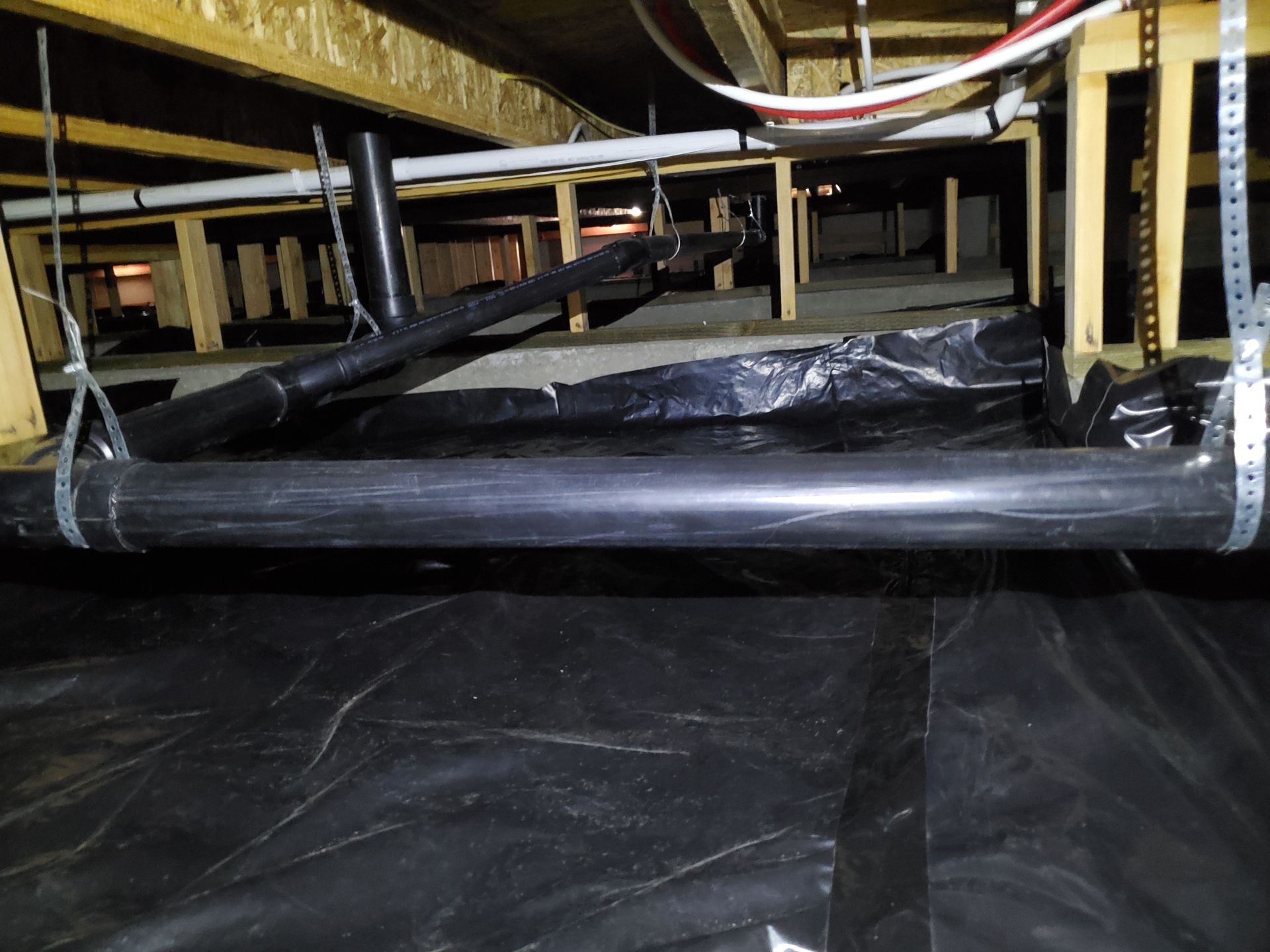
If you've been down in your crawl space lately, you already know something's wrong.
Maybe it's standing water after every hard rain. Maybe it's that musty smell drifting up through your floor vents, or wood that's gone soft and dark under the kitchen. Maybe a home inspector just handed you a report with “moisture intrusion” circled in red before your sale can close.
Whatever brought you here, the problem is the same: water is getting into a space that was never built to handle it, and it's not going to fix itself. Left alone, a wet crawl space doesn't just smell bad — it rots floor joists, warps hardwood floors upstairs, feeds mold and wood-destroying insects, and can knock thousands off your home's value at resale.
North Georgia Crawlspace Company has spent 8+ years solving exactly this problem for homeowners across North Georgia, Upstate South Carolina, and Western North Carolina — from Dalton and Calhoun to Woodstock, Milton, Blairsville, Ellijay, Jasper, Gainesville, and Dahlonega. We don't sell one-size-fits-all fixes. We diagnose where your water is actually coming from and build a waterproofing system designed to stop it there.
If you're wondering why this keeps happening, it's not bad luck — it's geography. Much of North Georgia and the surrounding foothills sit on dense red clay that doesn't drain well; instead of soaking in, rainwater runs downhill and pools against foundation walls. Add in our region's heavy seasonal rainfall, a high water table in many neighborhoods, and homes built with older or poorly graded crawl space vents, and you've got a near-perfect setup for water intrusion. Vented crawl spaces make it worse by pulling in humid outside air all summer long, which condenses on cool surfaces even when it hasn't rained in weeks.
Why Crawl Spaces in Our Region Flood So Often
Signs You Need Crawl Space Waterproofing
Homeowners usually reach out after noticing one or more of these:
Full Inspection & Moisture Mapping – Inspect all subfloor wood, HVAC ducts, insulation, and vapor barrier for mold and moisture.
A musty, earthy smell in the crawl space that drifts into living areas above
Visible mold or mildew on floor joists, subfloor, or insulation
Sagging, bouncy, or soft spots in the floor
Rusted metal ductwork, pipes, or hardware in the crawl space
Wood rot or a spike in termite or pest activity near the foundation
A home inspection report flagging moisture intrusion before a sale
Any one of these is worth a professional look. Several together usually mean water has been getting in for a while.
Get in touch today
Every job starts with a free, no-pressure inspection. We get under the house, find exactly where water is entering — a cracked foundation wall, poor exterior grading, a failed vapor barrier, groundwater pushing up through the soil — and walk you through what we see in plain language, not sales pitches.
From there, we build a system matched to your specific water problem, which typically draws from:
Our Waterproofing Process
Interior French drains that intercept water before it can pool and route it to a discharge point or sump pump
A sump pump system sized to handle your crawl space's water volume, with battery backup available for power outages during storms
A commercial-grade vapor barrier sealed to walls and piers to stop ground moisture and soil gas from ever reaching your subfloor
Exterior grading and drainage corrections that keep water from reaching the foundation in the first place
Full encapsulation, when a completely sealed, conditioned crawl space is the right long-term fix
We don't push encapsulation on every job. Some homes just need a properly designed drainage system. We size the fix to the actual problem, not to a package price.
Built for How North Georgia Weather Actually Behaves
Georgia gets its share of sudden downpours and tropical remnants that can drop several inches of rain in a single afternoon. A waterproofing system that only handles light, steady rain isn't good enough here. Every system we install is sized for real regional rainfall intensity, not just fair-weather conditions, so it keeps working when the next big storm rolls through — not just when the forecast is mild.
Why Homeowners Choose North Georgia Crawlspace Company
Locally owned and operated — the crew that inspects your crawl space is the crew that fixes it
Authorized Certified Crawl Space Encapsulation® dealer, meeting manufacturer standards for materials and installation
Every estimate is free, with quotes written in plain English and no pressure to buy more than you need
8+ years serving North Georgia, Upstate SC, and Western NC full-time — we know this region's soil, rainfall, and older housing stock
Frequently Asked Questions
How much does crawl space waterproofing cost?
Every home is different — cost depends on square footage, how water is entering, and which combination of French drains, sump pumps, and vapor barriers your crawl space needs. We provide a detailed, itemized quote after a free on-site inspection, so you know exactly what you're paying for before any work begins.
Will waterproofing get rid of the musty smell?
In most cases, yes. That smell is almost always coming from moisture feeding mold and mildew growth. Once the water source is cut off and the crawl space is sealed with a vapor barrier, the smell typically clears up within days to a few weeks as the space dries out. If mold has already taken hold, we can pair waterproofing with mold remediation to fully resolve it.
Is crawl space waterproofing the same as encapsulation?
Not exactly. Waterproofing focuses on stopping water intrusion — drains, sump pumps, grading. Encapsulation goes a step further, fully sealing the crawl space with heavy-duty vapor barrier and often a dehumidifier to control humidity year-round. Many homes benefit from both, and we'll tell you honestly which one your home actually needs.
How long does the work take?
Most crawl space waterproofing projects are completed in one to three days, depending on square footage and the scope of drainage work required.