
Foundation Repair That Fixes the Cause, Not Just the Crack
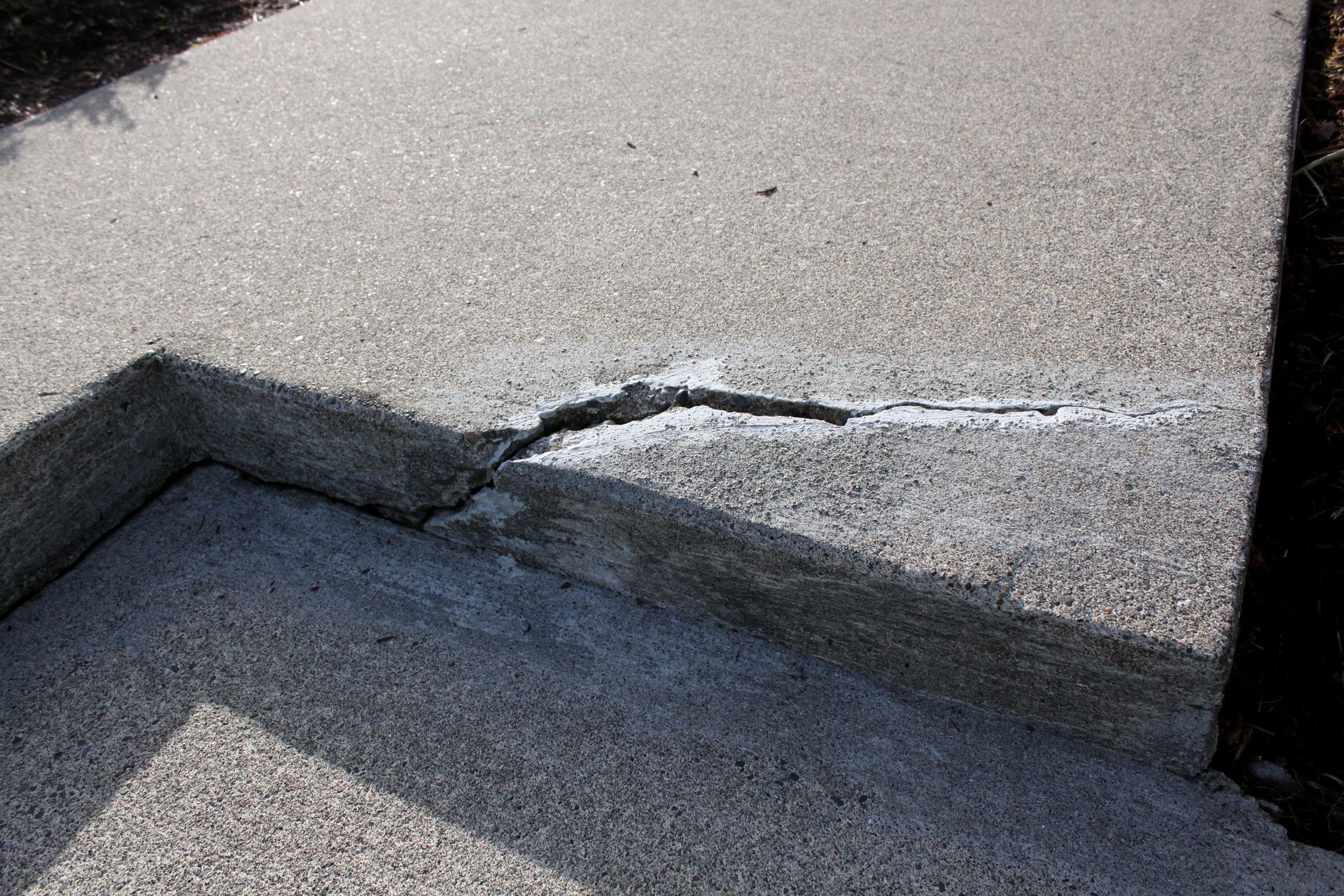
It usually starts small. A crack over a doorway that keeps coming back after you patch it. A door that used to close fine and now sticks. A floor that feels slightly off level in one corner of the house. On their own, any one of these might not seem urgent — but together, they're often the early signs of a foundation that's settling, shifting, or losing structural support underneath your home.
Foundation problems don't fix themselves, and they rarely stay small. What starts as a hairline crack can become a structural repair costing many times more if the underlying cause — soil movement, water intrusion, failed support, or age-related deterioration — isn't addressed directly.
North Georgia Crawlspace Company has spent 8+ years diagnosing and repairing foundation problems across North Georgia, Upstate South Carolina, and Western North Carolina. We don't just patch what's visible. We find out why your foundation is moving and fix that.
Get in touch today
Why Foundations Move in Our Region
North Georgia's dense red clay soil is a major driver of foundation problems here. Clay soil expands when it absorbs water and contracts significantly as it dries out, and that repeated swelling and shrinking puts uneven pressure on foundation footings year after year. Add in poor original grading that lets water pool near the foundation, older homes built before modern footing standards, and hillside or sloped lots common throughout our mountain and foothill service area, and it's easy to see why foundation settlement is such a common call for us across Dalton, Calhoun, Blairsville, Ellijay, Jasper, Gainesville, Dahlonega, Woodstock, Milton, and Holly Springs.
Our Foundation Repair Services
Foundation problems rarely have a single cause, so we offer a full range of repair methods matched to what's actually happening under your home:
- Structural repairs to damaged or deteriorated joists, beams, and girders
- Jack and pier installation to lift and permanently support a settling foundation
- Floor system repair for sagging, bouncy, or uneven floors
- Settlement stabilization to stop ongoing foundation movement
- Foundation block and concrete repair or replacement for damaged footings and walls
- Anchor and tie-down systems for manufactured and modular homes
Signs You Need a Foundation Inspection
Cracks in interior walls, exterior brick, or the foundation itself — especially diagonal or stair-step cracks
Doors or windows that stick, won't latch, or have visibly uneven gaps
Sloping, bouncy, or uneven floors
Gaps between walls and the ceiling or floor
A visibly sinking or leaning porch, chimney, or corner of the house
Bowing or leaning basement or crawl space foundation walls
One or two minor cracks may be normal settling. Multiple signs together, or any sign that's actively getting worse, warrant a professional evaluation before the problem grows.
Our Diagnostic Process
Every foundation repair starts with a free, thorough inspection — not a quick look and a generic quote. We assess the crawl space or basement, check for water intrusion and soil conditions, measure floor levelness where relevant, and identify whether the movement is from settlement, water damage, structural deterioration, or a combination. You get a plain-language explanation of what we found and a written scope of work before any repair begins, so you understand exactly what you're paying for and why.
Why Water and Foundation Problems Are Almost Always Connected
Most of the foundation repairs we perform trace back, at least in part, to water — soil erosion under a footing, wood rot in joists from a chronically wet crawl space, or expansive clay soil cycling wet and dry against a foundation wall. That's why we evaluate drainage and moisture alongside structural repair. Fixing a settling foundation without addressing the water causing the soil movement often means the same problem returns in a few years.
Why Homeowners Choose North Georgia Crawlspace Company
- Locally owned and operated, with 8+ years serving North Georgia, Upstate SC, and Western NC
- Free, detailed inspections with written repair plans — no pressure, no guesswork
- We diagnose the cause of movement, not just patch the visible symptom
- Experience across older homes, newer construction, and manufactured/modular homes throughout our hilly, clay-soil region
Frequently Asked Questions
How much does foundation repair cost?
Cost depends heavily on the cause and extent of the problem — a few targeted piers cost far less than a full perimeter stabilization. We provide a detailed, itemized quote after a free inspection so you know the actual scope before committing.
Is foundation settling always serious?
Not always — some minor, stable settling is normal in most homes. The concern is active, ongoing movement, which is why we assess whether cracks and other signs are old and stable or new and worsening during your inspection.
Will foundation repair increase my home's value?
Addressing foundation issues typically protects your home's value rather than increasing it beyond baseline, since unresolved foundation problems are one of the most common issues that stall or kill a home sale during inspection.
Do you repair foundations on manufactured and modular homes?
Yes — we handle structural repairs, pier installation, and anchor/tie-down systems specific to manufactured and modular home foundations, which have different support requirements than traditional site-built homes.