
Sump Pump Systems That Keep Working When the Storm Doesn't Stop
Maybe you already have a sump pump and it just failed during the last big storm -
You found it silent and the crawl space flooded anyway. Maybe you don't have one at all, and you're tired of gambling on whether this rain will be the one that finally does damage. Or maybe the power went out during a storm and your pump went with it, right when you needed it most.
A sump pump is the workhorse of most crawl space waterproofing systems — it's the piece that actually moves collected water away from your home instead of letting it sit and soak in. When it fails or isn't sized correctly, everything upstream of it (French drains, grading, vapor barriers) can't do its job either.
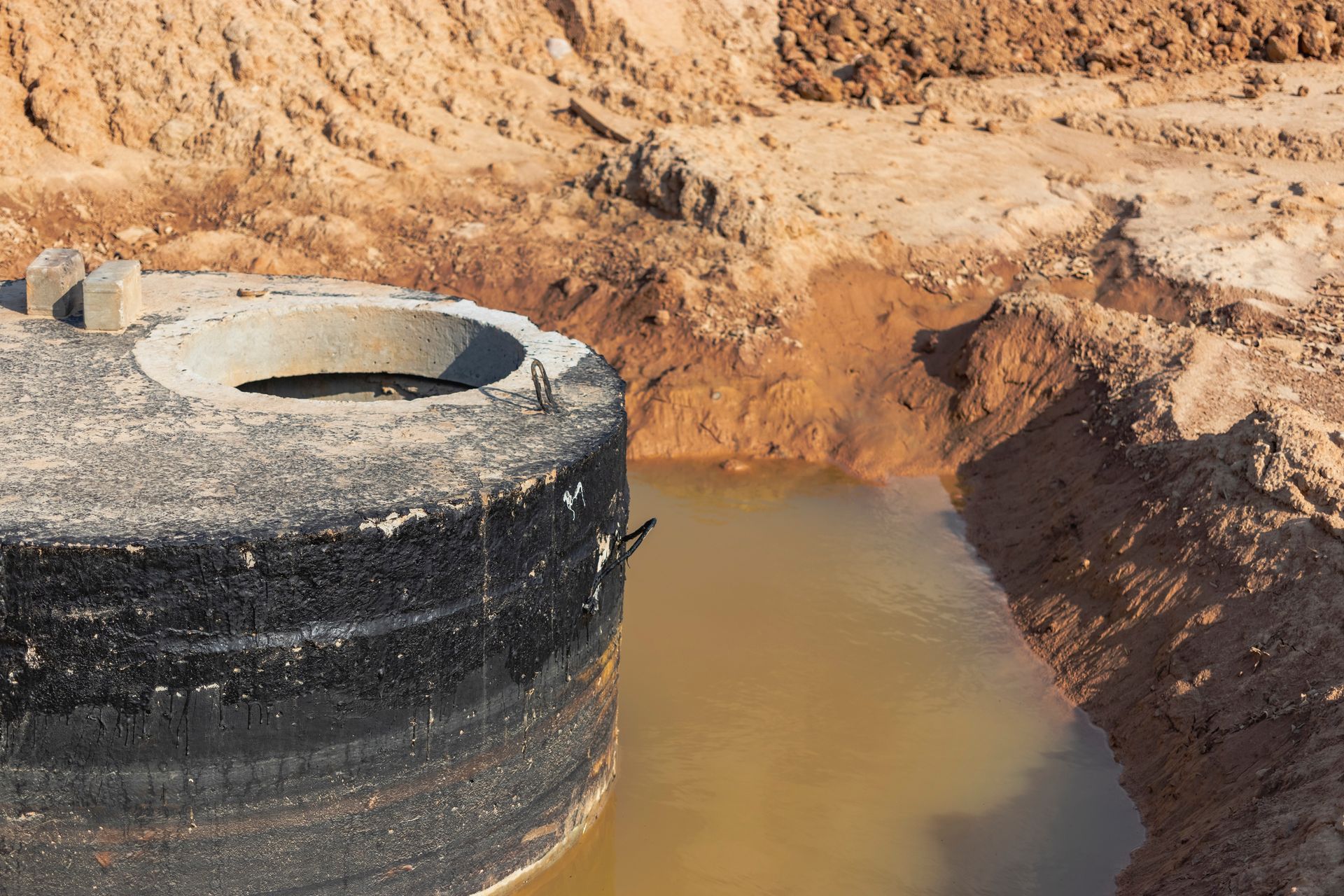
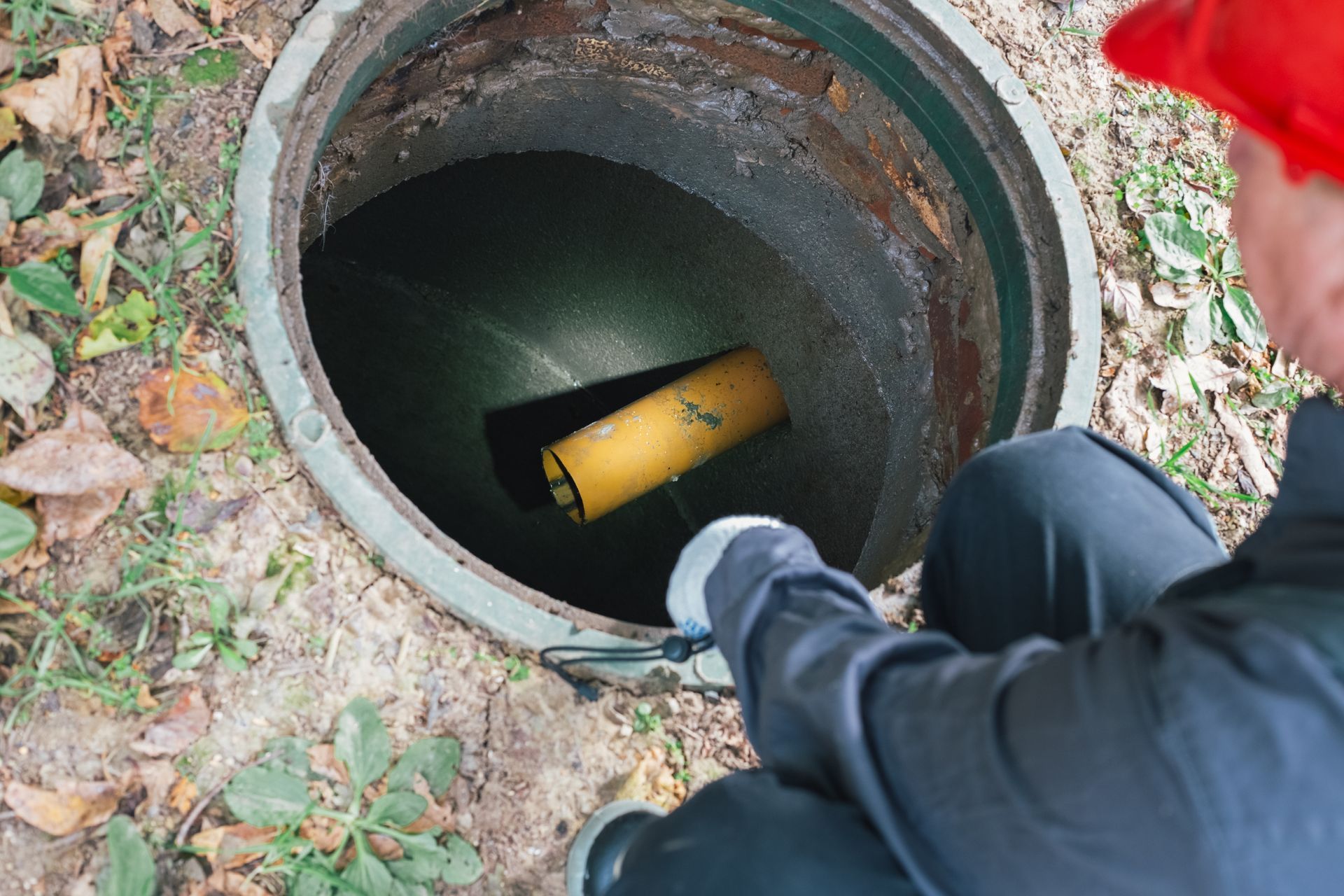
We size every sump pump system to the actual volume of water your crawl space needs to move, not a generic off-the-shelf unit. That includes a pump with enough horsepower and flow rate for your property's drainage load, a sealed sump basin to keep debris and silt from clogging the pump prematurely, and a discharge line routed well away from your foundation so pumped water doesn't just flow right back in. For homes in areas prone to power outages during storms — which is often exactly when you need the pump most — we offer battery backup systems that keep the pump running even when the power doesn't.
What We Install and Why It Matters
A lot of the sump pump failures we get called out to fix involve pumps that were undersized for the property, installed without a sealed basin (so they burn out from debris), or with no backup power at all — meaning the exact moment a storm knocks out electricity is the exact moment the pump stops protecting your home. We install commercial-grade pumps matched to your crawl space's water volume and North Georgia's storm intensity, not the cheapest option on a shelf.
Why a Standard Hardware-Store Pump Usually Isn't Enough
Signs Your Current Sump Pump Needs Attention
The pump runs constantly, even when it hasn't rained recently
You hear grinding, humming, or unusual noises from the pump
Water is still pooling in the crawl space despite having a pump installed
The pump is more than 7-10 years old and has never been serviced
You lost power during a storm and worried about flooding because there's no battery backup
If any of these sound familiar, it's worth having us take a look before the next storm — not after.
Get in touch today
If you don't currently have a sump pump, we'll evaluate your crawl space's drainage needs and design a complete system, often paired with an interior French drain that feeds water directly to the pump. If you already have a pump that's failing, undersized, or improperly installed, we can repair, replace, or upgrade it — including adding battery backup to an existing system that currently has none.
New Installation vs. Repair or Replacement
Built for North Georgia Storms
Our region sees intense, sometimes sudden rainfall, especially during summer storms and tropical remnants that track up from the Gulf. A sump pump that can barely keep up with a light drizzle isn't going to protect your home when three inches fall in an hour. We size our systems with that real-world rainfall intensity in mind, so your pump has the capacity to handle the storms that actually happen here — not just ideal conditions.
Frequently Asked Questions
How often should a sump pump be serviced?
We recommend an annual check, especially before the start of peak storm season, to test the float switch, clear the basin of debris, and confirm the pump is cycling correctly. Homes with battery backup should also have the battery tested annually.
Do I need a battery backup sump pump?
If your property has experienced power outages during storms, or if a flooded crawl space would cause significant damage, a battery backup is strong insurance — it's the difference between your pump working when you need it most and being completely offline at the worst possible time.
What size sump pump do I need?
It depends on your crawl space's square footage, how much water typically enters during heavy rain, and how far the discharge line has to run. We calculate this during your free inspection rather than guessing, so you get a pump sized for your actual conditions, not a generic recommendation.