
Interior French Drains: Stop Water From Pooling Under Your Home
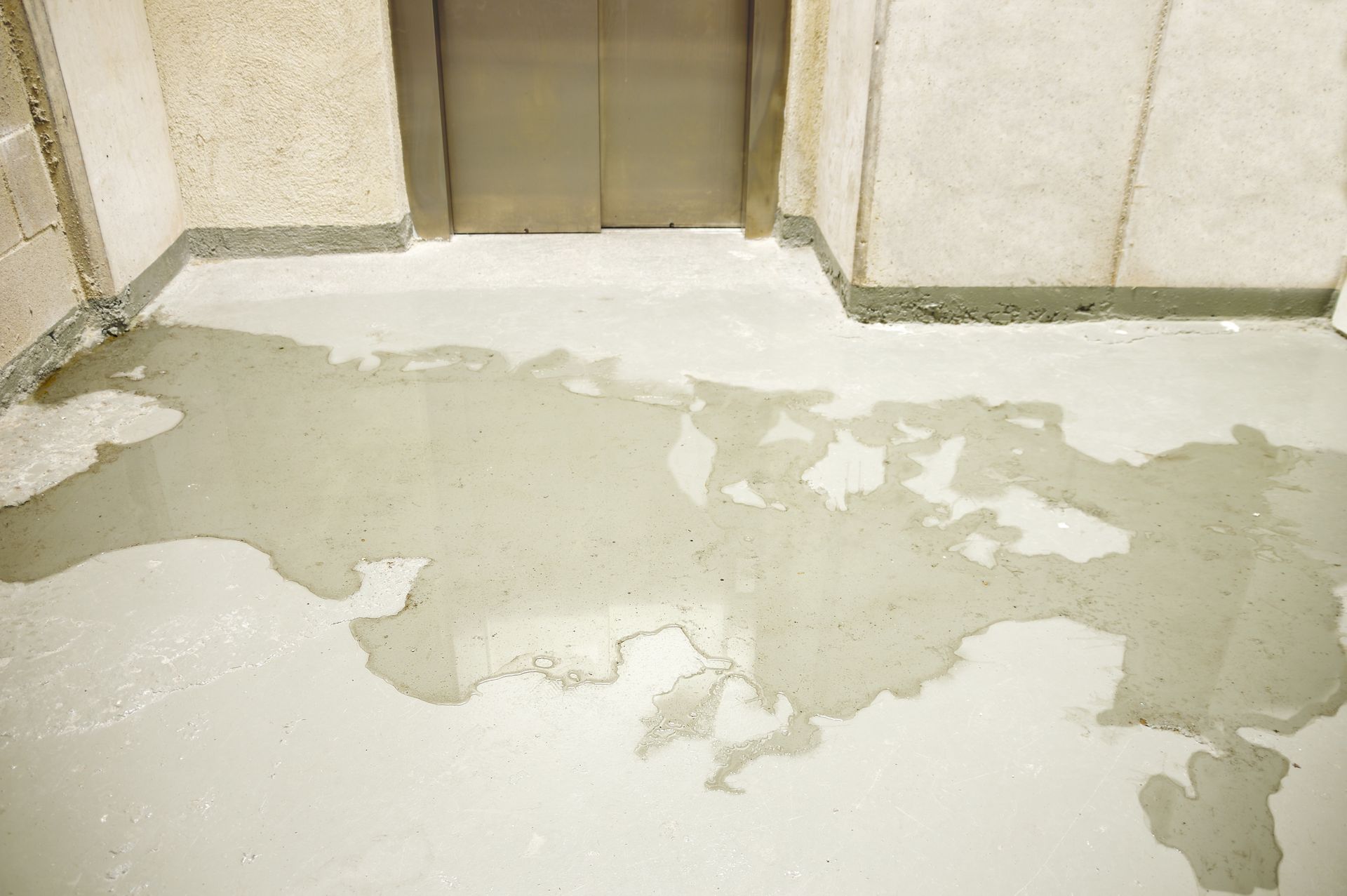
You go under the house after a rainstorm and there it is -
Standing water, or soil so saturated it squishes underfoot. Maybe it happens every time it rains. Maybe it's only during the heaviest storms. Either way, that water isn't going anywhere on its own, and every cycle of wet-then-dry is breaking down your floor joists, feeding mold, and inviting termites a little closer to your subfloor.
An interior French drain is often the single most effective fix for this exact problem, and it's one of the most common systems we install across North Georgia, Upstate SC, and Western NC.
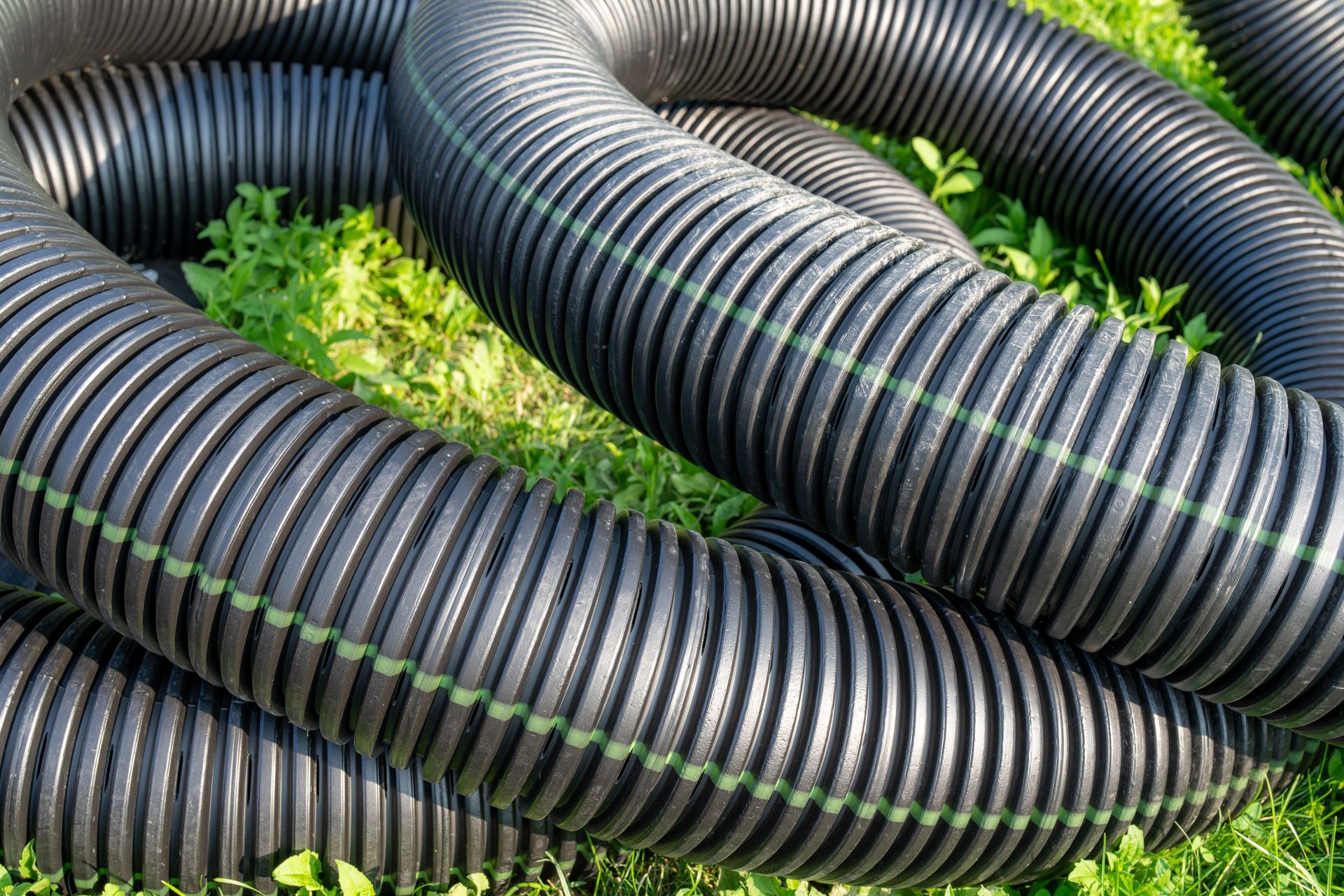
Instead of trying to keep every drop of water from reaching your foundation from the outside (which isn't always possible, especially on an existing home), an interior French drain works from the inside of the crawl space. We install a perforated drainage pipe in a trench along the interior perimeter of the foundation footing, wrapped in gravel and filter fabric to keep it from clogging with silt and clay. Any water that seeps in through the foundation walls or rises from the soil gets captured by the pipe before it can spread across the crawl space floor, and it's carried to a discharge point or, most commonly in our region's clay soil, to a sump pump that pushes it safely away from the house.
Think of it as an interception system: water is still going to try to get in, but instead of pooling under your subfloor, it's caught and redirected before it ever becomes a problem.
What an Interior French Drain Actually Does
Our region's dense clay soil holds water close to the surface and drains slowly, so groundwater tends to migrate toward the path of least resistance — which is often straight into an unsealed crawl space. Exterior French drains can be difficult or expensive to install around an existing foundation, especially with landscaping, driveways, or additions in the way. Interior drains solve the same problem without digging up your yard, which is why they're often the more practical and cost-effective option for existing homes.
Why Interior Drains Work So Well in North Georgia Crawl Spaces
Signs an Interior French Drain Is the Right Fix for Your Home
Water enters along the base of your foundation walls rather than through the middle of the crawl space floor
You see damp or wet soil concentrated near the perimeter after rain
A previous vapor barrier has been pushed up or floated by water underneath it
Your home sits on a slope or at the bottom of a grade where water naturally collects
If your water problem looks different — for example, water rising from the middle of the crawl space floor rather than the edges — we may recommend a different combination of systems, and we'll tell you that honestly during your free inspection.
Get in touch today
We start with a free inspection to confirm French drains are the right fix, not just a default recommendation. From there, our crew trenches along the interior perimeter of the foundation footing, installs perforated pipe bedded in washed gravel and wrapped in filter fabric to resist clogging, and connects the system to a properly sized sump pump for discharge. We finish by restoring the crawl space floor and, when it's part of your scope of work, sealing everything under a vapor barrier so the space stays dry and protected going forward.
Our Installation Process
Built to Last, Not Just to Pass Inspection
Cheap French drain installs cut corners in ways you won't see until they fail — pipe without filter fabric that clogs with clay silt within a couple of years, drains that dead-end instead of connecting to a real discharge point, or gravel beds too shallow to actually move water. We install systems designed to keep working for the life of your home, and we stand behind the installation.
Frequently Asked Questions
How is an interior French drain different from a French drain around the outside of my house?
An exterior French drain is installed outside the foundation to stop water before it reaches the wall. An interior drain is installed inside the crawl space along the footing and catches water that has already made it past the foundation wall. For existing homes, interior drains are usually less invasive and less expensive to install correctly.
Will an interior French drain work without a sump pump?
In most cases, no — the drain needs somewhere for the water to go. We typically pair interior French drains with a properly sized sump pump so collected water is actively pumped away from your home rather than relying on gravity alone, which isn't reliable on most North Georgia lots.
How long do interior French drains last?
A properly installed system with filter fabric and adequate pipe sizing can last decades with minimal maintenance. The most common point of failure in poorly installed systems is clogging from clay silt, which our filter fabric and gravel bedding are specifically designed to prevent.