
Dehumidifier Systems: Keeping Your Crawl Space Dry Long After Installation Day
A sealed liner stops moisture from the ground.
It doesn't do anything about humidity already trapped in the air, humidity from a nearby water heater, or the everyday moisture that finds its way into any enclosed space over time. If your crawl space still feels muggy, or a musty smell lingers even after encapsulation, humidity in the air — not the ground — is usually the remaining culprit.
A properly sized crawl space dehumidifier is what actively manages that humidity, day after day, rather than passively hoping a sealed liner is enough on its own.
Why Sealing Alone Isn't Always Enough
Even a well-sealed crawl space has some humidity — from plumbing penetrations, adjoining living space, or simple air exchange every time the access door opens. In a fully vented crawl space, that humidity has somewhere to go (out the vents, along with plenty of new humidity coming in). Once you seal the space, humidity that isn't actively removed just sits there, and can climb high enough to support mold growth even with a perfect vapor barrier underneath it. A dehumidifier is what keeps relative humidity in the crawl space at a level that discourages mold, wood rot, and pests, rather than just relocating the moisture problem from the ground to the air.
What We Install
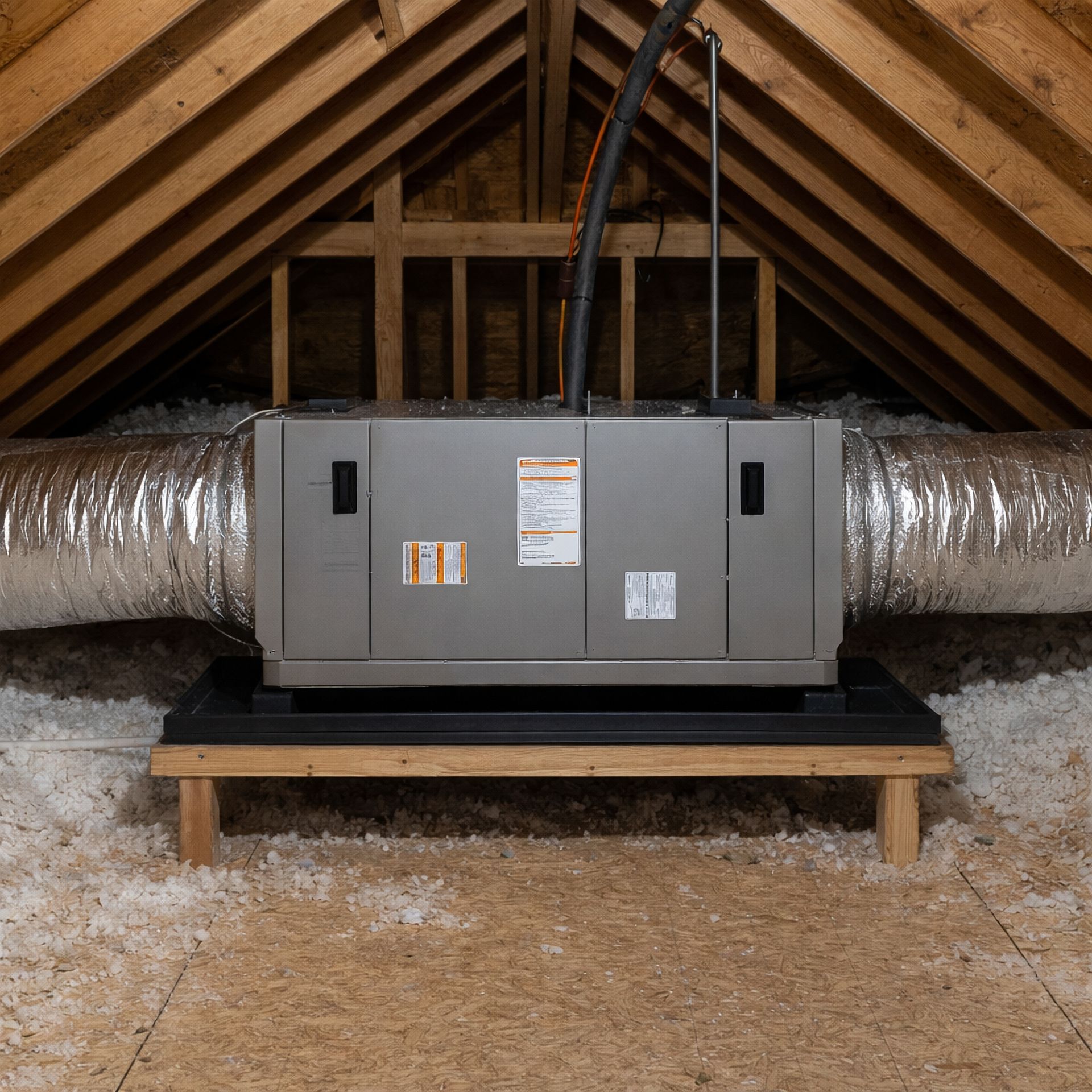
We install commercial-grade, self-draining crawl space dehumidifiers sized specifically to your square footage and moisture load — not a portable residential unit sized for a bedroom. Self-draining models connect directly to your sump pump or a dedicated drain line, so there's no bucket to empty and no risk of the unit shutting off because a reservoir filled up unnoticed. Units are placed for even airflow across the whole crawl space and set up with accessible controls so humidity levels can be checked without a full inspection.
Get in touch today
Signs Your Crawl Space Needs a Dehumidifier
A musty smell persists even after encapsulation or vapor barrier installation
You notice condensation on ductwork, pipes, or metal fixtures
Humidity or a musty smell is noticeable in the rooms directly above the crawl space
Wood surfaces in the crawl space feel damp to the touch, even without standing water
Mold keeps returning in the crawl space after cleaning
Sizing and Placement Matter More Than the Brand
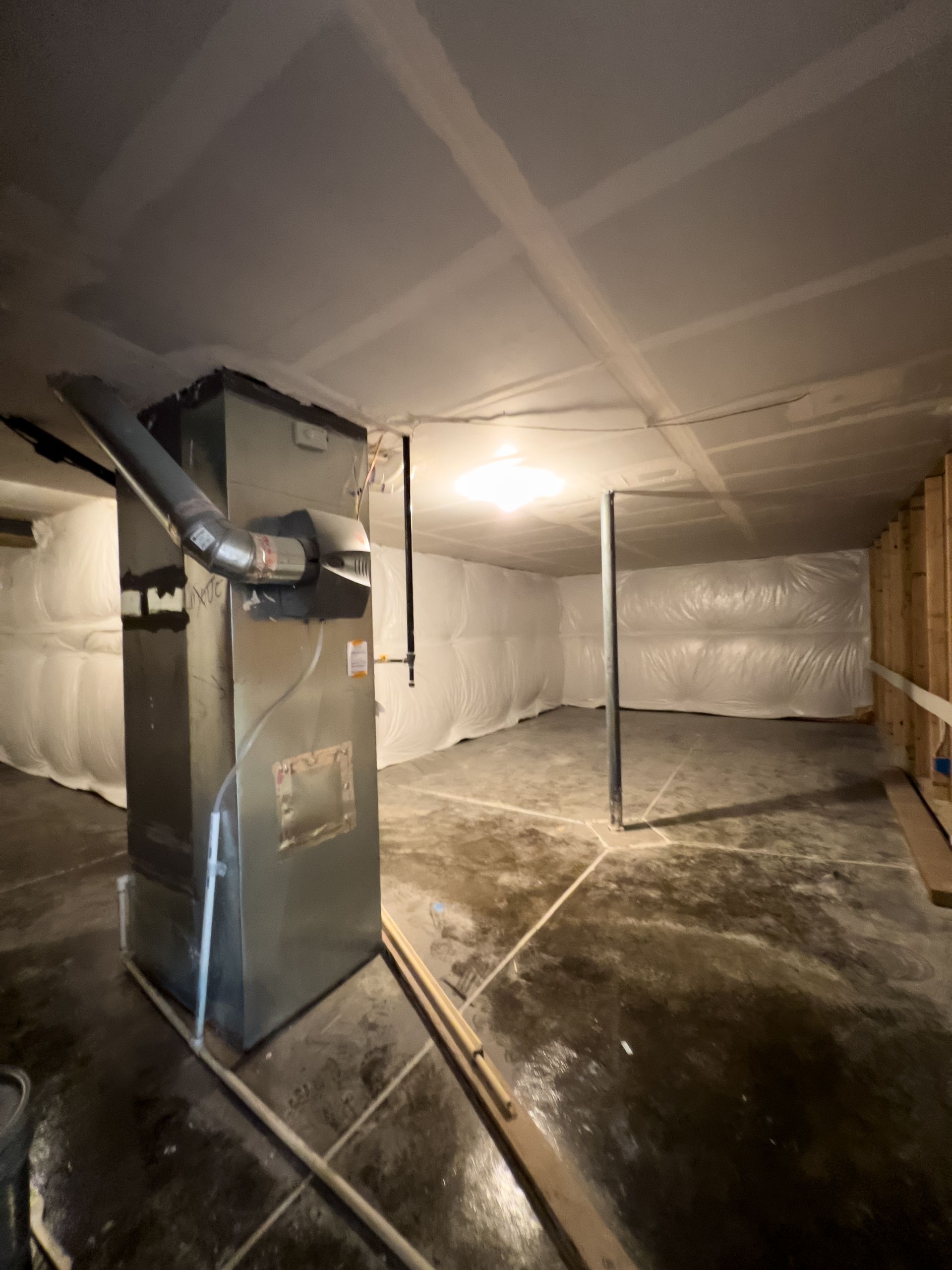
An undersized dehumidifier runs constantly and still can't keep up, wearing out early and wasting energy. An oversized unit cycles on and off too quickly to properly pull moisture from the air. We calculate the right capacity based on your crawl space's square footage, current moisture sources, and whether the space is fully or partially encapsulated, then place the unit where it can draw air evenly across the whole space rather than just the area right around it.
Frequently Asked Questions
Do I need a dehumidifier if my crawl space already has a vapor barrier?
Often, yes, especially in a fully sealed (encapsulated) crawl space. A vapor barrier blocks ground moisture, but airborne humidity from other sources still needs to be actively managed, particularly once the space no longer has vents exchanging air with the outside.
How much maintenance does a crawl space dehumidifier need?
Self-draining commercial units require minimal upkeep — typically an annual filter check and a visual inspection to confirm the drain line is clear. We can include this in a maintenance visit alongside your other systems.
What humidity level should my crawl space stay at?
Most professionals target relative humidity below 55-60% to discourage mold growth and wood rot. We set your dehumidifier's target level during installation and can adjust it based on ongoing monitoring.