
Air Sealing: Closing Every Gap That's Letting Outside Air Into Your Crawl Space
If your floors feel cold in the winter no matter how high you set the thermostat
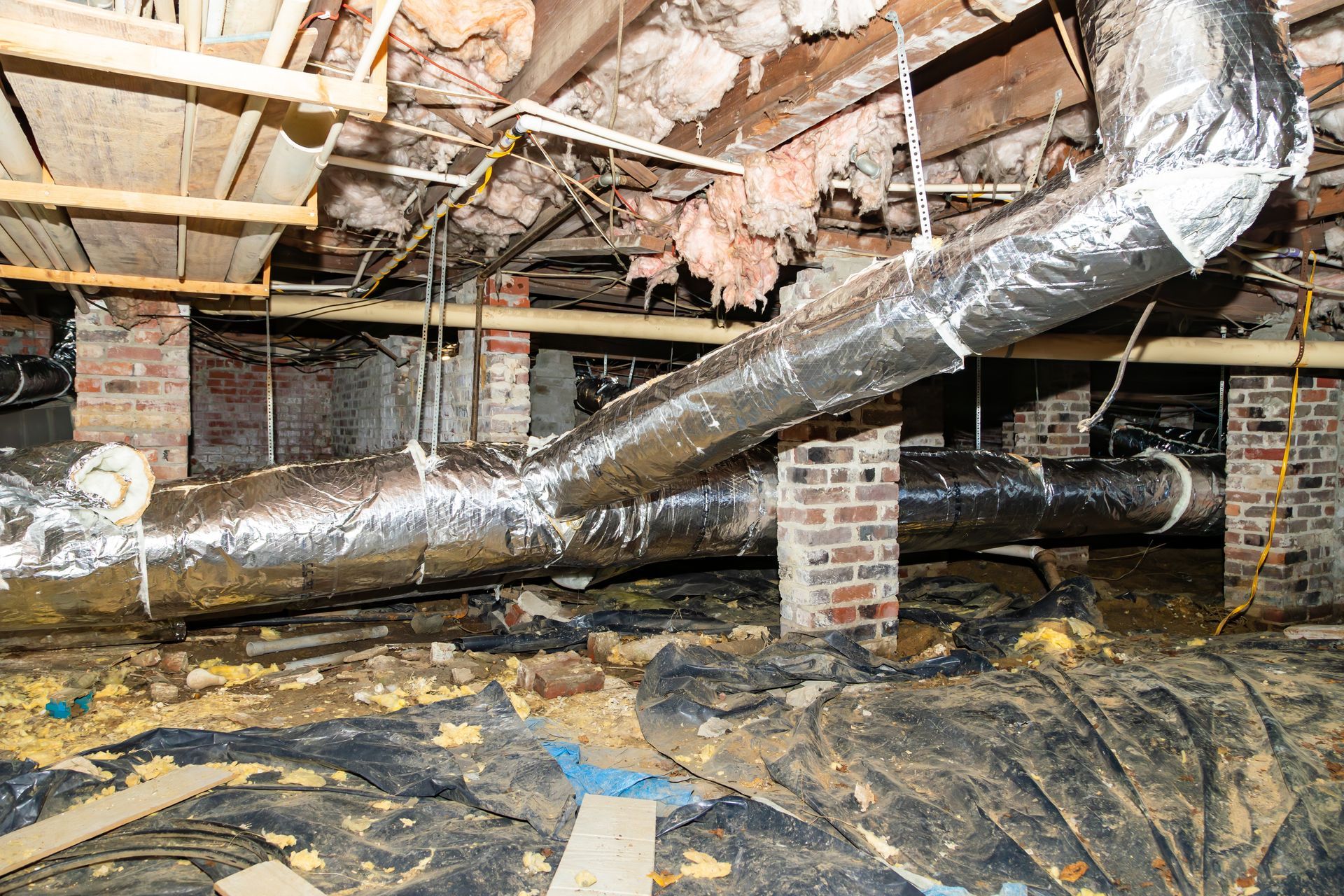
Or your energy bills climb every summer despite a working AC unit, the culprit is often sitting in plain sight under your house: open crawl space vents, gaps around pipe and duct penetrations, and an uninsulated, unsealed rim joist letting outside air pour in and out of your crawl space all year long.
Air sealing closes off every one of those entry points, turning your crawl space from an open-air extension of the outdoors into a controlled part of your home's building envelope.
Most homeowners assume windows and doors are where a home loses conditioned air, but crawl spaces are a major, often-overlooked source. Vents built into the foundation wall are designed to let air move freely, which is exactly the problem in a home you're trying to keep climate-controlled. Beyond the vents themselves, gaps around plumbing and HVAC penetrations, unsealed rim joists where the foundation meets the framing, and small cracks in the foundation wall all let outside air move in and out with every temperature swing and gust of wind.
Where Air Is Actually Getting In
What Air Sealing Involves
Permanently sealing or mechanically closing crawl space vents
Sealing gaps around plumbing, electrical, and HVAC penetrations through the foundation wall
Air-sealing and insulating the rim joist, one of the largest sources of energy loss in a vented crawl space
Sagging, bouncy, or soft spots in the floor
Sealing cracks in the foundation wall where air and moisture can both enter
Fitting the crawl space access door with a sealed, insulated cover
Get in touch today
Air sealing isn't just about cold floors. Every gap that lets outside air in also lets humid air in during our region's long, muggy summers — humidity that condenses on cool surfaces and feeds mold growth, even in a crawl space with a vapor barrier already installed. Air sealing and moisture control work together: a sealed liner handles ground moisture, and air sealing handles the humidity and temperature swings coming from outside air. Skipping either one leaves a real gap in your home's protection, even if the other is done well.
Why This Matters Beyond Comfort
Air Sealing as Part of a Larger System
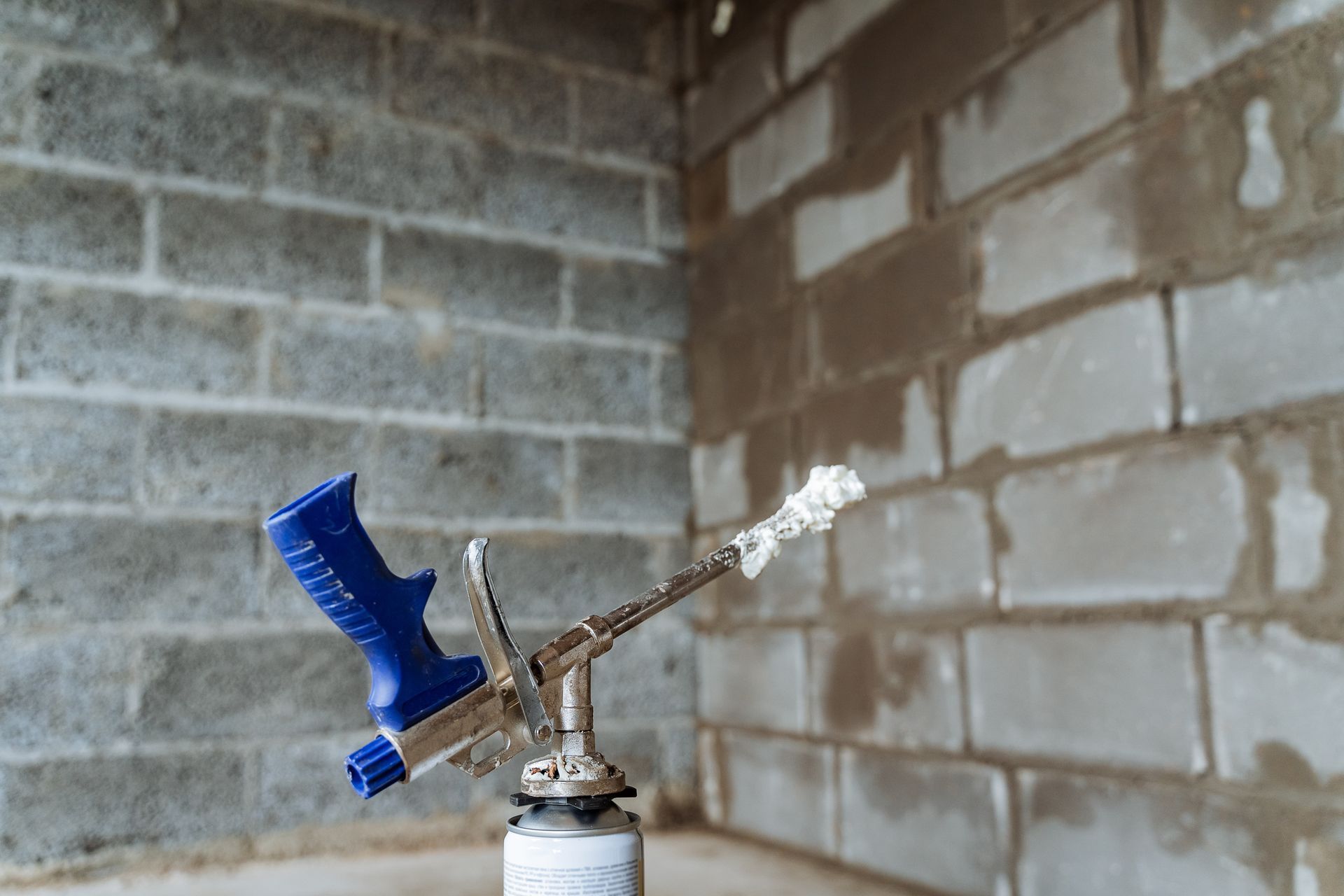
Air sealing is most effective as part of a broader encapsulation system, since a sealed liner and a sealed building envelope reinforce each other. That said, if your crawl space already has a vapor barrier but still has open vents or an unsealed rim joist, air sealing alone can meaningfully improve comfort and energy performance without a full encapsulation project. We'll assess what your specific crawl space needs during a free inspection rather than assuming you need everything at once.
Frequently Asked Questions
Will sealing my crawl space vents violate building code?
Many modern codes allow — and some encourage — sealed, conditioned crawl spaces in place of traditional vented ones, provided the space includes proper moisture control such as a vapor barrier and dehumidification. We handle this as part of a compliant installation.
How much can air sealing actually save on energy bills?
Savings vary by home, but rim joist and vent air sealing are consistently among the highest-return energy improvements for homes with vented crawl spaces, since they close off a direct, large-area path for conditioned air loss.
Can air sealing be done without a full encapsulation project?
Yes, if your crawl space already has adequate moisture control in place. We'll assess your specific setup and recommend air sealing alone or as part of a broader system based on what we find.