
Clean-Outs & Prep Work: Clearing the Way Before Anything Gets Sealed
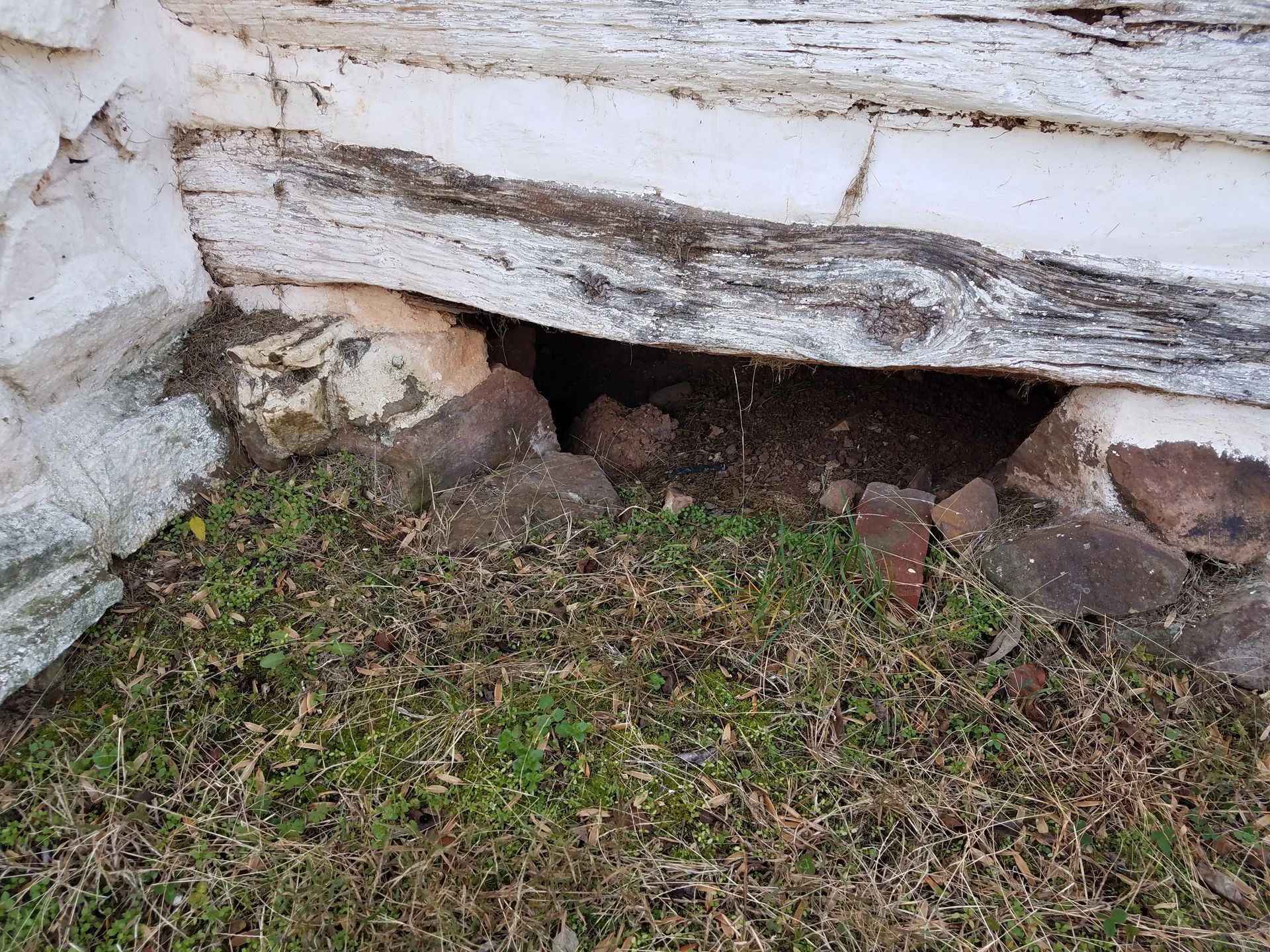
Before any liner, dehumidifier, or drainage system can go in, whatever is currently down there has to come out —
And in a lot of North Georgia crawl spaces, that's more than most homeowners expect. Sagging fiberglass insulation that fell out of the joists years ago. Construction debris left behind by the original builder. Rodent droppings and nesting material. Old, torn plastic sheeting from a previous quick fix. None of it is pleasant to deal with, and it's not something most homeowners want to (or should) tackle themselves.
Clean-out and prep work is the unglamorous first step that makes every system installed after it actually work the way it's supposed to.
Removing old, damaged, or sagging insulation that's no longer doing its job
Clearing construction debris, scrap wood, and general trash left in the space
Safely removing rodent droppings, nesting material, and other biological debris
Pulling out old, torn vapor barrier or plastic sheeting that a liner would otherwise be installed over
Removing wood debris and cellulose material that attracts termites and other wood-destroying insects
What a Full Clean-Out Includes
Why Skipping This Step Causes Problems Later
Installing a new vapor barrier or encapsulation liner over old debris, sagging insulation, or uneven soil is one of the most common shortcuts that causes early system failures. Debris left underneath a liner can puncture it over time as the ground settles or shifts. Wood scraps and cellulose debris left in place continue to feed termites and mold even after a new liner is installed above them, since they're still in contact with the soil and moisture below. A proper clean-out removes the problem instead of just covering it up.
Get in touch today
Beyond removing debris, prep work often includes leveling and grading the crawl space floor so water doesn't pool under a new liner and so the liner itself sits flat instead of bridging over low spots (where it can tear under foot traffic or settling). On sites with significant unevenness, we may bring in additional fill material to create a stable, level base before installation begins.
Grading and Leveling the Crawl Space Floor
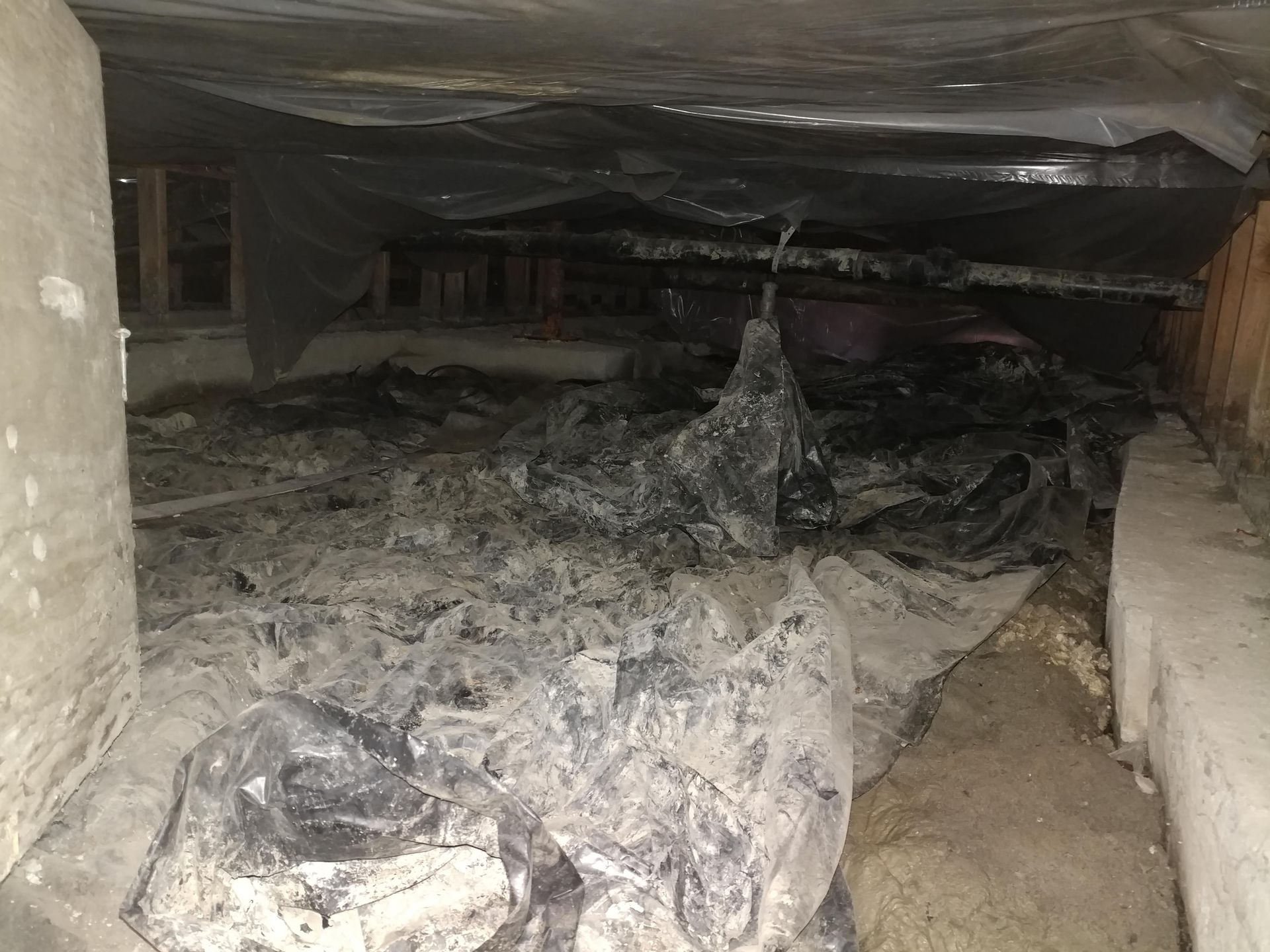
Safety and Handling
Crawl space debris can include biological material, mold-contaminated insulation, and, occasionally, evidence of past pest infestations. Our crew handles clean-outs with appropriate protective equipment and disposal practices, so you're not the one exposed to whatever has been sitting under your house — and don't have to be the one crawling in there to find out what it is.
Frequently Asked Questions
Do I need a full clean-out even if my crawl space looks mostly empty?
Often, yes — old vapor barrier, small debris, and settled dust or droppings aren't always obvious from a quick look, but they can still interfere with proper liner installation. We assess this during your free inspection.
Can clean-out be done as a standalone service?
Yes, though it's most commonly performed as the first phase of a waterproofing or encapsulation project. If you just need debris and old insulation removed, we can scope that separately.
What happens to the old insulation and debris you remove?
We haul away and dispose of all removed material as part of the service, so you're not left with a pile of old insulation and debris to deal with on your property.