Radon Testing: The Only Way to Actually Know Your Level
You genuinely cannot tell whether your home has a radon problem without testing — it has no smell, causes no immediate symptoms, and gives no visible warning signs. Given that much of North Georgia sits on granite bedrock with some of the highest radon potential in the state, testing is one of the simplest, most affordable ways to rule out (or catch early) a risk that's otherwise completely invisible.
Get in touch today
Why Testing Matters in Our Region Specifically
North Georgia's mountain and foothill counties fall within the EPA's highest radon potential zone, driven by the area's granite bedrock geology. Homes in the metro Atlanta Piedmont region generally see moderate risk, and risk continues to decrease moving into South Georgia's sedimentary soils. If you're in our North Georgia, Upstate SC, or Western NC service area, there's a meaningfully higher chance your home could have elevated radon levels compared to homes in other parts of the state — which is exactly why we recommend testing even without any specific symptoms or concerns prompting it.
When to Test
- You've never tested your current home for radon
- You're buying a home and want results before closing
- You're selling a home and want to address any issues proactively
- You've made changes to your home's foundation, crawl space, or HVAC system that could affect airflow
- It's been several years since your last test (radon levels can change over time)
How Professional Testing Works
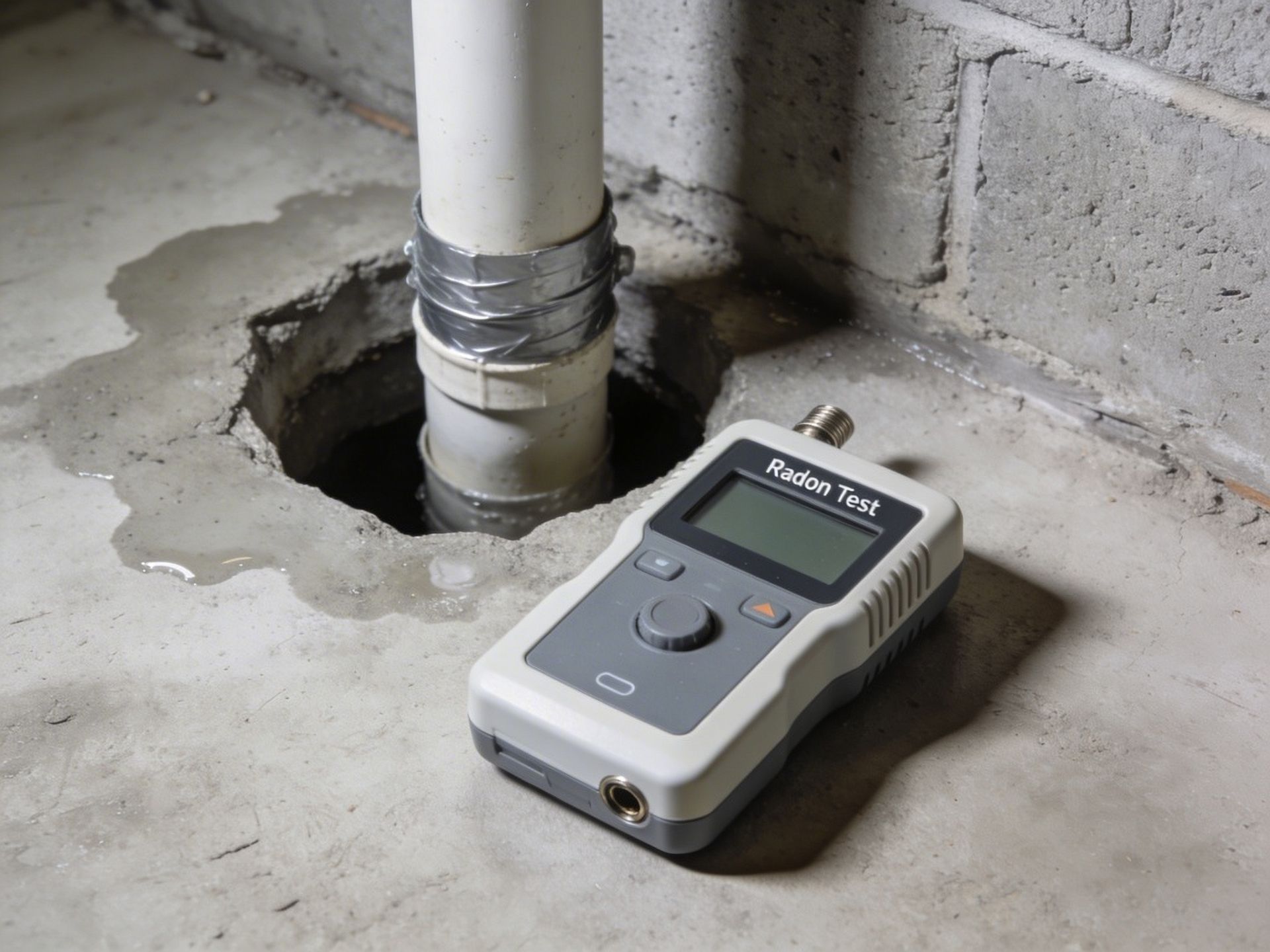
We use professional testing equipment placed in the lowest livable level of your home, following EPA-recommended testing protocols for accurate results. Short-term tests typically run for a few days and are common for real estate transactions where timing matters; longer-term testing can provide a more representative picture of year-round average levels. We explain your results in plain language once testing is complete — what the number means, whether it's above the EPA action level of 4 pCi/L, and what we'd recommend, if anything.
Store-Bought Kits vs. Professional Testing
Retail radon test kits can provide a general indication, but professional testing offers more reliable placement, protocol adherence, and — importantly for real estate transactions — third-party administered results that buyers, sellers, and lenders can trust. If you just want a general sense of your home's radon level with no transaction on the line, a retail kit is a reasonable starting point; if you need documented, defensible results, professional testing is the better choice.
Frequently Asked Questions
How much does radon testing cost?
We can provide a quote for standalone testing based on your home's size and testing timeframe needs — contact us for current pricing.
How long does a radon test take?
Short-term tests commonly run 2-7 days; we'll recommend the right duration based on your purpose for testing, such as a real estate transaction timeline.
What happens if my results come back elevated?
We'll walk you through what the results mean and provide a mitigation system quote if levels are above the EPA action level. There's no obligation to move forward with mitigation through us based on a test alone.