
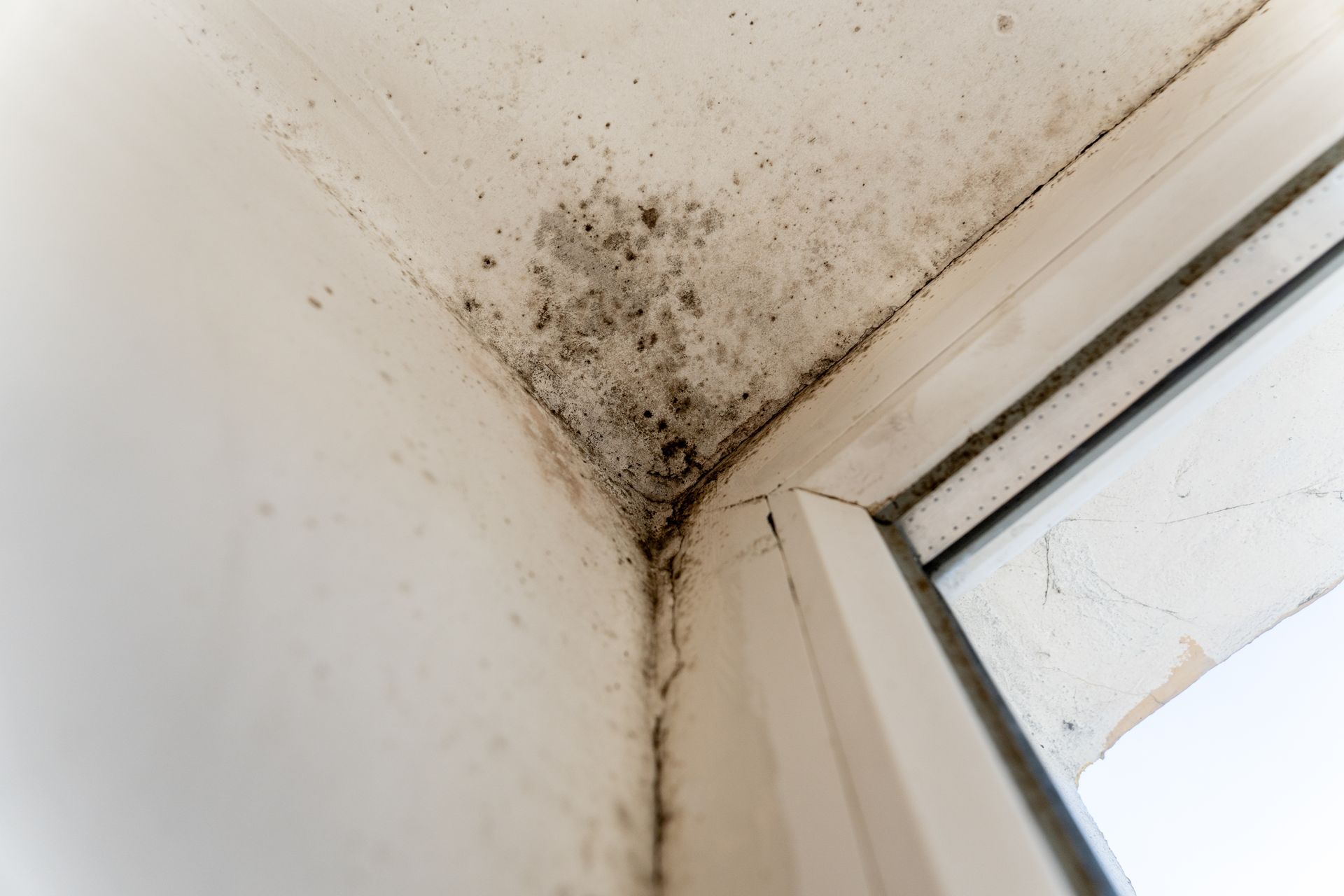
Mold Removal & Treatment: Getting Rid of It at the Source
Once mold has established on wood, insulation, or other porous material, it's growing into the surface, not just sitting on top of it. That's why a wipe-down with bleach or a household cleaner rarely solves an established mold problem — it addresses what's visible on the surface while leaving the mold's structure intact underneath, ready to return as soon as conditions allow.
Get in touch today
Assessing What Can Be Treated vs. What Needs Removal
Not every moldy surface needs to be torn out. Structural wood with surface mold growth and no significant rot can often be treated and preserved. Porous materials that are heavily colonized, structurally compromised, or made of material that can't be effectively cleaned (like severely affected insulation) typically need to be removed and replaced rather than treated in place. We assess each affected surface individually during your inspection rather than defaulting to full removal or full treatment across the board.
Our Removal and Treatment Process
For material being treated and preserved, we physically remove surface mold growth, then apply an antimicrobial treatment to eliminate remaining spores and inhibit regrowth. For material requiring removal, we safely remove and dispose of the affected material, contain the area to limit spore spread during the process, and prepare the space for any needed structural repair or replacement. Throughout, we follow IICRC S520 containment and safety protocols to protect the rest of your home from cross-contamination.
Why We Always Address the Moisture Source
Removing or treating mold without correcting the moisture that allowed it to grow is only a partial fix. As part of every mold removal project, we identify and address the underlying water source — whether that's a vented crawl space, a drainage issue, or a plumbing leak — so the treated or replaced material isn't sitting in the same conditions that caused the original problem.
Frequently Asked Questions
Can mold on wood joists be treated without replacing the wood?
Often, yes, if the wood retains structural integrity and the mold is primarily surface growth. We assess wood condition during inspection to determine whether treatment or replacement is the right approach.
Will mold come back after removal and treatment?
Not if the underlying moisture source has been corrected. Mold returning after remediation almost always traces back to an unaddressed water problem, which is why we treat moisture correction as part of the project, not an optional add-on.
Is it safe to be in the house during mold removal?
We use containment procedures to limit spore spread to the work area, and can discuss specific precautions based on the extent and location of the mold in your home.