
Insulation Services: The Right Material for Where It's Actually Going
Cold floors in the winter. An HVAC system that runs constantly but never quite catches up. A crawl space full of old fiberglass batts that fell out of the joists years ago and are now sitting in the dirt, wet and useless. Insulation problems don't always announce themselves clearly — they usually just show up as a house that costs more to heat and cool than it should, and never quite feels comfortable no matter what the thermostat says.
The right insulation, installed in the right place, does more than cut energy bills — it's part of controlling moisture, blocking pests, and protecting the structure underneath your home. The wrong material, or insulation installed without addressing the moisture problem underneath it, can actually make things worse.
North Georgia Crawlspace Company installs and replaces insulation across North Georgia, Upstate South Carolina, and Western North Carolina, matched to the specific area of your home and the conditions it has to perform in.
Get in touch today
Why Insulation Choice Matters More in a Crawl Space Home
In homes built over a crawl space, the insulation between your living space and the crawl space (or lining the crawl space walls, in an encapsulated setup) is doing a lot of work — it's fighting humidity, temperature swings, and, in our region's clay-soil climate, near-constant moisture exposure if the crawl space isn't sealed. Traditional fiberglass batt insulation, still common under many older North Georgia homes, absorbs moisture readily, sags out of place, and loses much of its insulating value once it's wet — which is exactly what tends to happen in a vented crawl space here.
Insulation Types We Install
We work with the full range of insulation materials, and recommend the type suited to your specific application rather than defaulting to one product for every job:
- Closed-cell spray foam — a dense, moisture-resistant option ideal for crawl space walls, rim joists, and areas with humidity exposure
- Open-cell spray foam — a lighter, more affordable spray foam option for above-grade walls and attic applications where moisture exposure is lower
- Rigid foam board — a durable, moisture-resistant option for crawl space walls and foundation applications
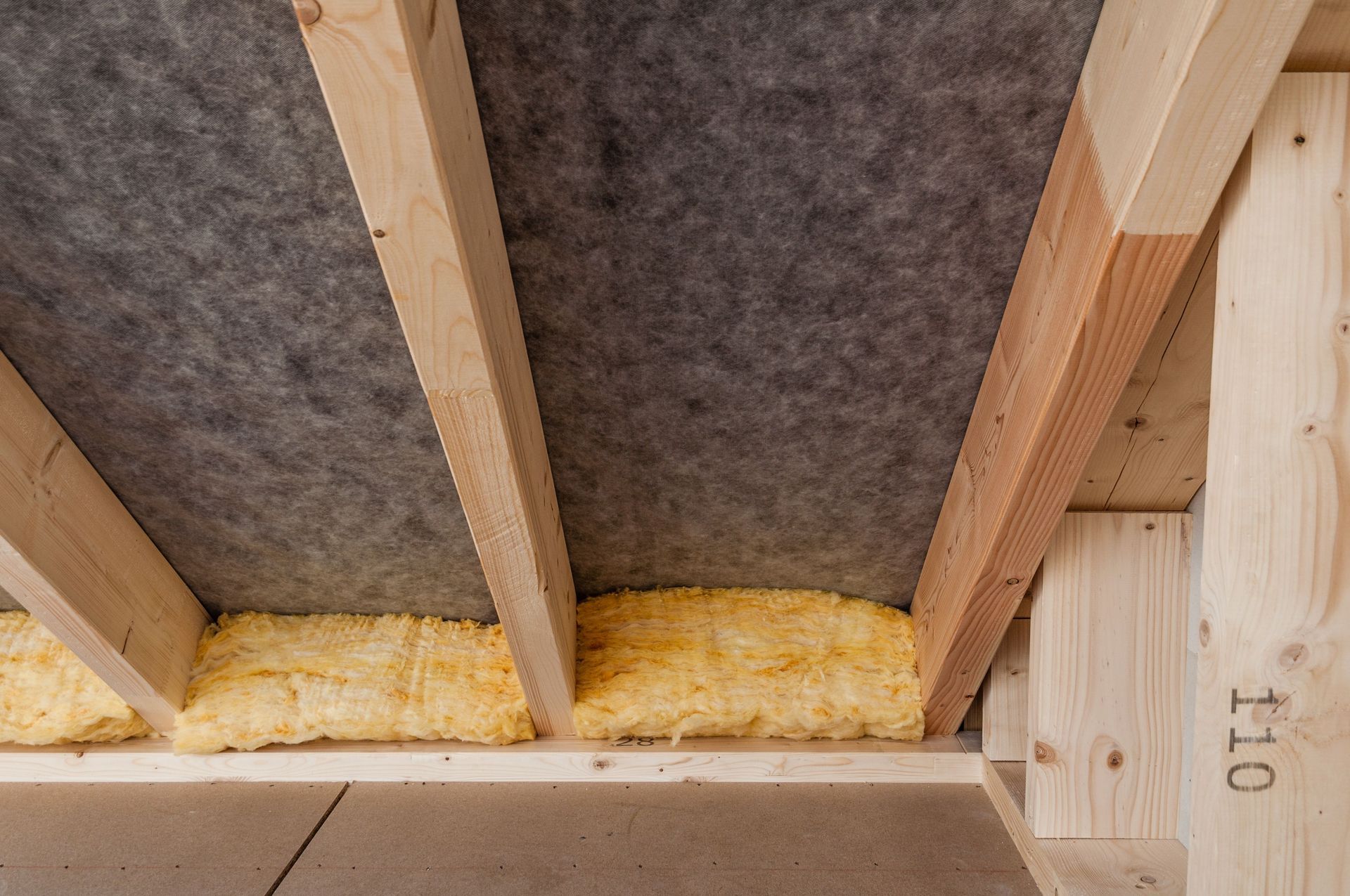
- Fiberglass batt insulation — a cost-effective option for above-grade walls and attics in dry, properly ventilated spaces
- Blown-in insulation — an efficient option for filling attic spaces and irregular cavities without major demolition
Signs Your Insulation Needs Attention
Fiberglass batts sagging, hanging loose, or fallen into the dirt in your crawl space
Cold floors in winter despite a functioning HVAC system
Visibly wet, moldy, or matted insulation
Rooms above the crawl space that never feel quite comfortable
Noticeably higher energy bills compared to similar homes
No insulation at all in an older crawl space or attic
Why Homeowners Choose North Georgia Crawlspace Company
- Locally owned and operated, with 8+ years of experience matching insulation type to real North Georgia conditions
- We diagnose moisture issues alongside insulation, rather than installing new material over an unresolved problem
- Free inspections and written, itemized quotes for every project
- Full range of insulation materials and application methods, recommended based on your specific space
Frequently Asked Questions
What type of insulation is best for a crawl space?
Closed-cell spray foam or rigid foam board are generally the best options for crawl space walls, since both resist moisture far better than fiberglass batts, which absorb water and lose insulating value when wet — a common problem in vented crawl spaces.
How much does insulation replacement cost?
Cost depends on the material, square footage, and whether old insulation and any moisture damage need to be addressed first. We provide a detailed, itemized quote after a free inspection.
Will new insulation lower my energy bills?
Most homeowners see a meaningful improvement, especially when replacing wet, sagging, or missing insulation with a properly installed, moisture-appropriate material. The exact savings depend on your home's overall condition.
Do I need to remove old insulation before installing new material?
In most cases, yes, especially if the old insulation is wet, moldy, or has fallen out of place — installing over it traps moisture and reduces the effectiveness of the new material. We assess this as part of your inspection.