
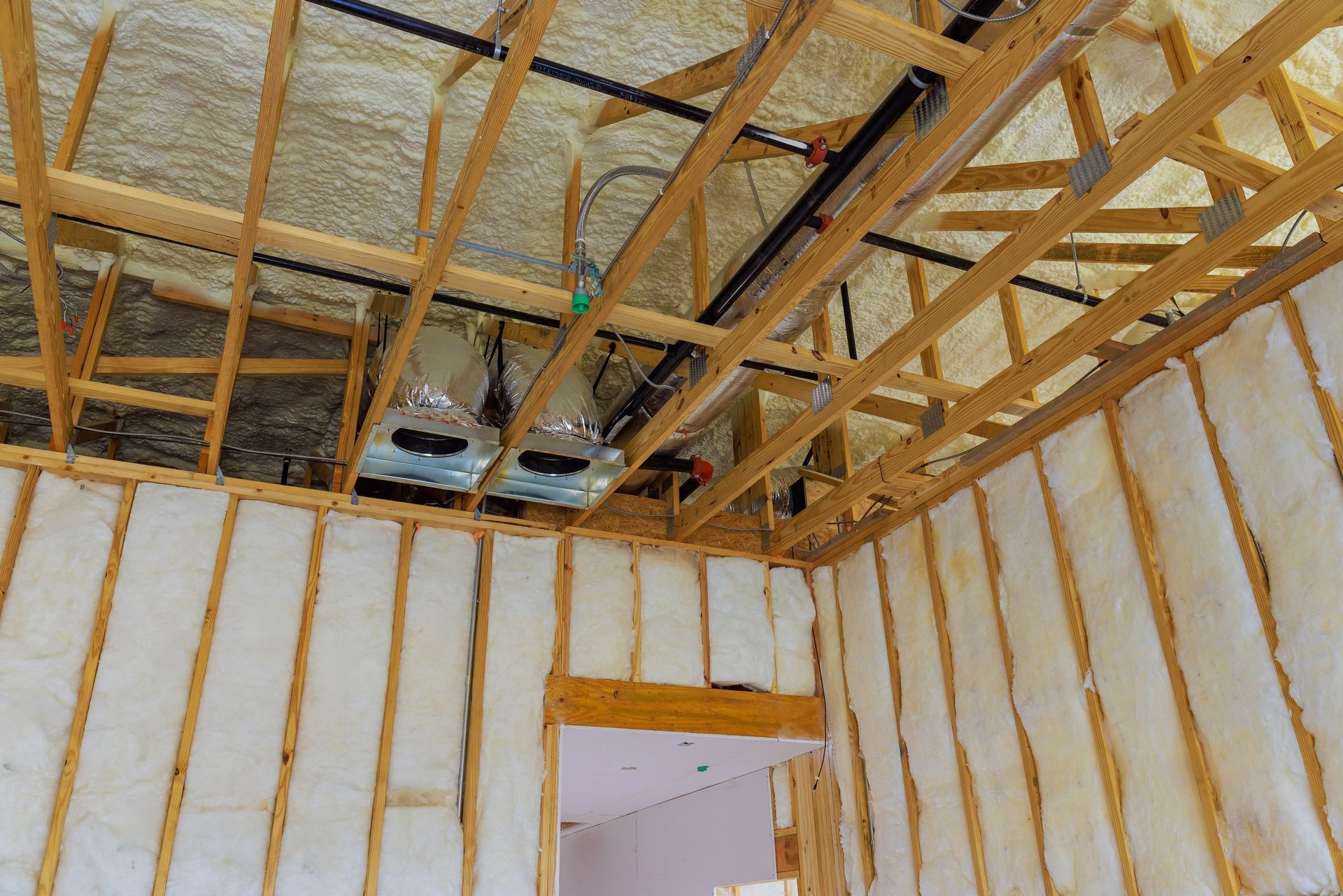
Fiberglass Batt Insulation: Done Right, in the Right Spaces
Fiberglass batt insulation gets a bad reputation from crawl spaces where it was never the right choice to begin with — sagging out of the joists, soaked from years of humidity, doing little more than holding moisture against your subfloor. In the right application — dry, above-grade walls and properly ventilated spaces — properly installed and supported fiberglass batts remain a cost-effective, reliable insulation option.
Get in touch today
Where Fiberglass Batts Work Well
- Above-grade exterior walls in dry, well-ventilated construction
- Attic floors with adequate ventilation and no moisture exposure
- Interior walls for sound dampening in dry conditions
- Additions and renovations where standard stud-cavity insulation is called for
- Budget-conscious projects where the application doesn't involve moisture risk
Why We Don't Recommend Batts for Crawl Spaces
Fiberglass absorbs and holds moisture readily, and once wet, it loses much of its insulating value and can take a long time to dry out, if it ever fully does. In a vented crawl space exposed to our region's humidity, batts installed between floor joists commonly sag, fall, and become saturated within a few years — which is exactly the pattern we see when we're called out to remove and replace failed crawl space insulation. For crawl space walls and floors, we recommend closed-cell spray foam or rigid foam board instead, both of which are built to handle that environment.
Removal and Replacement of Failed Batt Insulation
If your crawl space currently has sagging, wet, or moldy fiberglass batts, removing them is typically the first step before any new insulation or vapor barrier work — leaving damaged batts in place traps moisture and provides material for mold growth. We remove and properly dispose of failed insulation, address the crawl space's moisture source, and then install the material best suited to the space going forward, which is often not fiberglass.
Our Installation Process (Above-Grade Applications)
For appropriate above-grade applications, we install fiberglass batts cut and fitted to each cavity, properly supported so they don't sag or settle over time, with attention to complete coverage and minimal gaps that would otherwise reduce performance.
Frequently Asked Questions
Should I replace my crawl space's fiberglass insulation with the same material?
In most cases, no — if fiberglass has failed in your crawl space due to moisture, we typically recommend a moisture-resistant alternative like closed-cell spray foam or rigid foam board for the replacement rather than repeating the same failure.
Is fiberglass batt insulation still a good option anywhere in my home?
Yes, in dry, above-grade, well-ventilated spaces like standard wall cavities and attics, fiberglass batts remain a solid, cost-effective choice when properly installed and supported.
How do I know if my current batt insulation needs to be replaced?
Visible sagging, dampness, mold, a musty smell, or noticeably reduced comfort and higher energy bills are all signs it's time for an inspection and likely replacement.