
Radon Mitigation Systems: Venting the Problem Out, Not Just Sealing It In
Once testing confirms your home's radon level is above the EPA's action level of 4 pCi/L, the fix isn't sealing the house up tighter — it's actively venting the gas out from underneath your home before it can enter your living space. A properly designed mitigation system does exactly that, continuously, without requiring ongoing effort from you.
Get in touch today
How the System Works
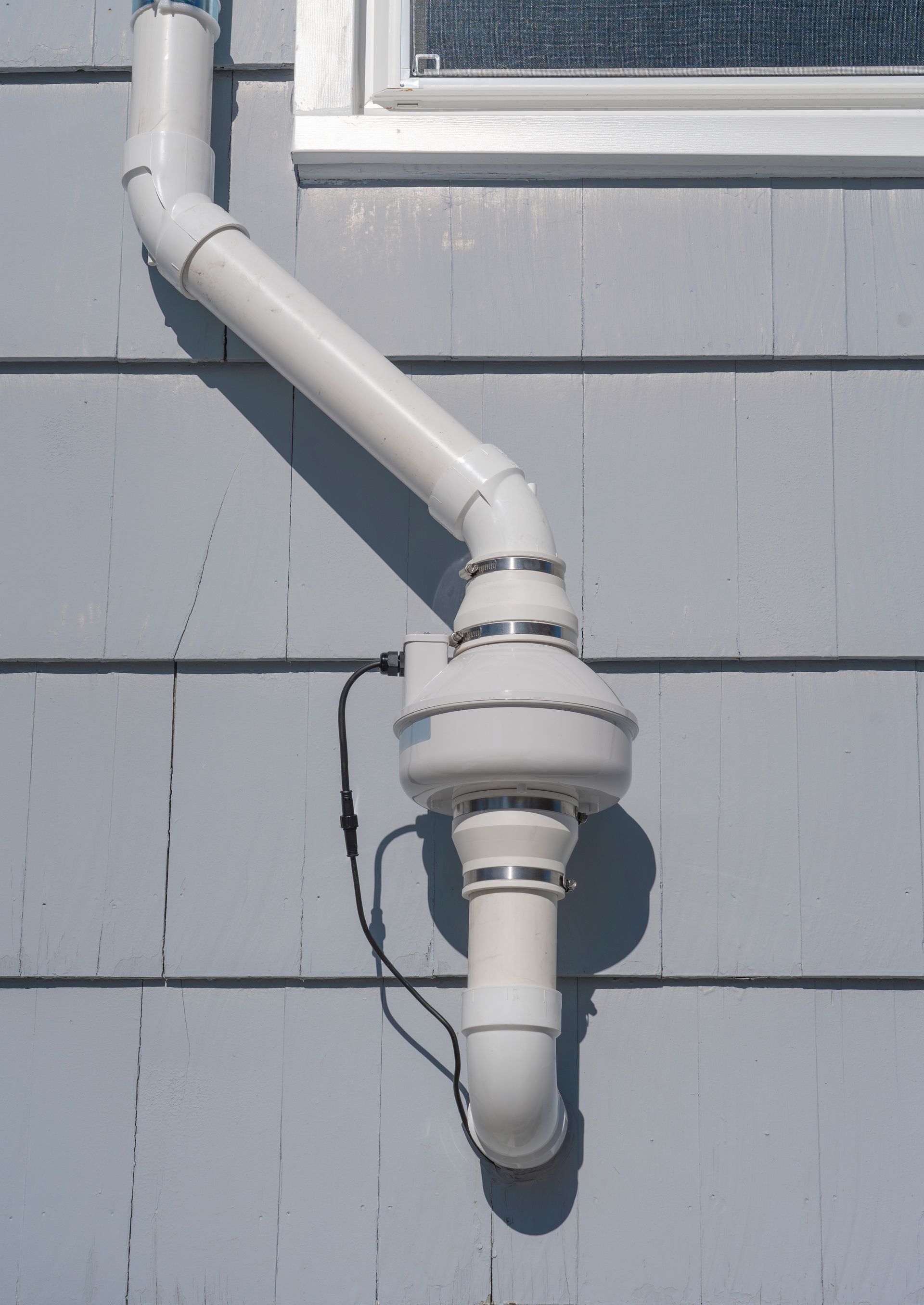
A radon mitigation system creates negative pressure in the soil beneath your foundation or crawl space, so radon gas is drawn into a vent pipe rather than migrating up into your home through foundation cracks, gaps around pipes, or a dirt crawl space floor. A continuously running, low-noise fan maintains that suction, and the collected gas is vented safely above the roofline, well away from windows and other openings where it could re-enter the home.
Mitigation Approaches by Foundation Type
The right system design depends on your home's foundation:
- Slab foundations typically use sub-slab depressurization, drawing air from beneath the concrete slab through a sealed vent point
- Crawl space foundations typically use a vapor barrier system combined with sub-membrane depressurization, drawing air from beneath a sealed crawl space liner
- Homes with a combination of foundation types (partial basement, partial crawl space) may need a combined system addressing each area
- We assess your home's specific foundation configuration to design the right approach rather than installing a generic system.
Radon Mitigation and Crawl Space Encapsulation
If your home has a crawl space and you're also dealing with moisture or air quality issues, radon mitigation and crawl space encapsulation work well together — an encapsulated crawl space with a sealed vapor barrier provides an ideal foundation for sub-membrane radon depressurization, since the sealed liner is exactly what the mitigation system draws suction beneath. We can scope both as a coordinated project if your home needs it.
Our Installation Process
After testing confirms mitigation is needed, we design a system based on your foundation type, install the vent pipe routing and fan, seal necessary points to maintain system pressure, and conduct post-installation testing to confirm the system is effectively reducing your home's radon level to below the action threshold.
Frequently Asked Questions
Is a radon mitigation system loud or noticeable?
Modern radon fans are designed to run quietly, and most homeowners report barely noticing the system in daily life beyond the vent pipe itself and a small increase in electricity use.
Will the system work if my crawl space isn't encapsulated?
Mitigation systems can be installed with a dedicated vapor barrier specifically for that purpose, though pairing mitigation with full encapsulation often provides better overall performance and addresses moisture at the same time.
How do I know the system is working after installation?
We conduct post-installation testing to confirm your home's radon level has dropped below the EPA action level, giving you documented confirmation rather than just an assumption that the system is effective.