Rid Your Crawlspace of Mold
Mold Remediation That Removes the Problem — Not Just the Stain
Maybe you went under the house to check on something else and found dark patches spreading across the floor joists. Maybe it's a musty smell that's crept into your living room no matter how much you clean. Maybe you or someone in your family has been dealing with allergy symptoms, headaches, or breathing irritation that seems to ease up whenever you're away from home for a while. Mold has a way of showing up gradually, in places you're not looking, until it's hard to ignore.
Mold isn't just a cosmetic problem, and bleach and a scrub brush aren't a real fix for an established colony — mold that's growing on wood, insulation, or other organic material has roots (mycelium) that surface cleaning doesn't reach, and it will keep coming back until the moisture feeding it is addressed and the affected material is properly treated or removed.
North Georgia Crawlspace Company performs mold remediation across North Georgia, Upstate South Carolina, and Western North Carolina following IICRC S520 mold remediation protocols — the industry-recognized standard for how remediation should be done, regardless of whether a given state requires it. .
Learn about the dangers of mold exposure
If you’re exposed to mold spores, you could experience a wide range of symptoms. Repeated exposure can increase your sensitivity, causing more severe allergic reactions. Signs You May Have Mold Under Your Home:
- Musty odor coming from vents or floors
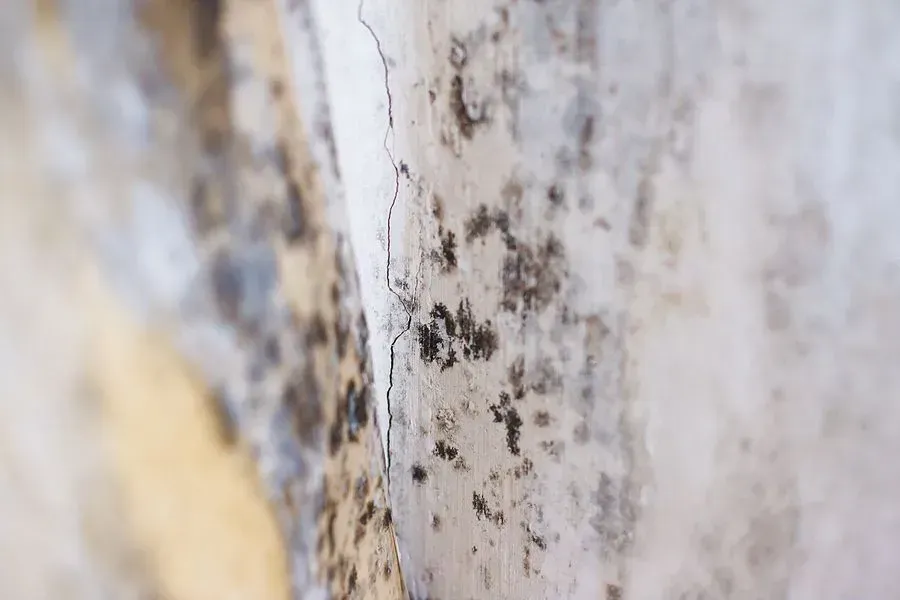
- Black, green, or white fungal growth on joists or insulation
- Soft, sagging floors
- Increased allergy or respiratory symptoms indoors
- Recent water intrusion or high humidity in the crawlspace
Safe for Your Family. Backed by Industry Standards: Our team follows IICRC S520 mold remediation guidelines and uses only products approved for residential use. We take every precaution to protect your home, your air, and your family during the process.
Why Mold in Your Crawlspace Is a Serious Problem
Mold doesn’t just stay in the crawlspace. It releases airborne spores that can travel into your home, aggravating allergies, ruining insulation, and damaging wood framing. If left untreated, it can even lead to structural issues and costly repairs.
At North Georgia Crawlspace, we use IICRC-certified mold remediation practices to remove mold safely and thoroughly — and keep it from coming back.
Get in touch today
Why Crawl Spaces Are Such Common Mold Sites
Mold needs moisture and a food source (wood, cardboard, insulation, dust) to grow, and a vented, unsealed crawl space in our region provides both in abundance. Humid outside air condenses on cool surfaces throughout the summer, our dense clay soil releases ground moisture into the space year-round, and wood framing sits right there as an ideal food source. Once a colony establishes, it spreads along wood surfaces and can move into wall cavities and living space above through gaps, ductwork, and air movement — which is often how a crawl space mold problem ends up as a musty smell in your kitchen.
Signs You May Have a Mold Problem
- Visible dark, black, white, or green patches on wood, insulation, or other surfaces
- A persistent musty or earthy smell, especially near the crawl space or basement
- Allergy-like symptoms — sneezing, congestion, headaches, or eye irritation — that improve when away from home
- Recent or past water damage, leaks, or high humidity in the affected area
- Condensation on ductwork, pipes, or crawl space framing
- A home inspection or air quality test flagging elevated mold spore counts
Our Mold Remediation Process
We follow IICRC S520 protocols, the industry-recognized standard for professional mold remediation, throughout every project:
Assessment and, where needed, air quality or surface testing to confirm the extent of the problem
Containment of the affected area to prevent spores from spreading during remediation
Physical removal of mold-affected material that can't be safely treated and preserved
Antimicrobial treatment of remaining surfaces to eliminate residual mold and inhibit regrowth
Addressing the underlying moisture source — without this step, remediation is only temporary
Post-remediation verification to confirm the treated area meets acceptable conditions
Why Fixing the Moisture Source Is Non-Negotiable
Mold remediation without addressing the moisture that caused it isn't remediation — it's a temporary cleanup that sets you up to pay for the same problem again. That's why every mold project starts with identifying the water source, whether it's a vented crawl space pulling in humid air, a drainage problem, or a plumbing leak, and why we're positioned to handle both the mold and the underlying waterproofing or encapsulation work as one coordinated project rather than sending you to find a separate contractor.
No Statewide Licensing Doesn't Mean No Standards
Requirements for mold remediation contractors vary across our service area, and several states in our region don't mandate specific licensing for the work. That makes it especially important to choose a contractor who follows recognized industry protocols voluntarily. We hold ourselves to IICRC S520 standards on every job, regardless of what's legally required in a given jurisdiction, because it's the right way to do the work — not just the minimum.
Why Homeowners Choose North Georgia Crawlspace Company
- IICRC S520 mold remediation protocols followed on every project
- We address the moisture source, not just the visible mold
- Locally owned and operated, with 8+ years serving North Georgia, Upstate SC, and Western NC
- Free inspections and written, itemized quotes before any work begins
Frequently Asked Questions
How much does mold remediation cost?
Cost depends on the extent of the mold, the affected materials, and whether moisture correction is part of the scope. We provide a detailed, itemized quote after a free inspection.
Can I just clean the mold myself with bleach?
Surface cleaning can remove visible staining but typically doesn't eliminate mold growing into porous materials like wood, and it does nothing to address the moisture that's feeding it — which is why the mold usually returns.
Do I need mold testing before remediation?
Not always — visible mold with an identifiable moisture source can often go straight to remediation. Testing is more valuable when mold isn't visible but symptoms or musty odors suggest a hidden problem, or when you need documentation for a real estate transaction.
How long does mold remediation take?
Most residential mold remediation projects take one to three days, depending on the extent of the affected area and whether structural repairs are also needed.
Schedule a Mold Inspection Today
Mold doesn't go away because you stopped noticing the smell. Schedule your free inspection and get a written plan to remove it — and stop it from coming back. Call (706) 669-0265.